Tires are one of the most important safety components of any vehicle. They influence braking, steering, stability, comfort, and overall road performance. However, tire problems do not always become obvious immediately. Uneven tread wear can gradually develop over time, reducing performance and potentially shortening the useful life of a tire.
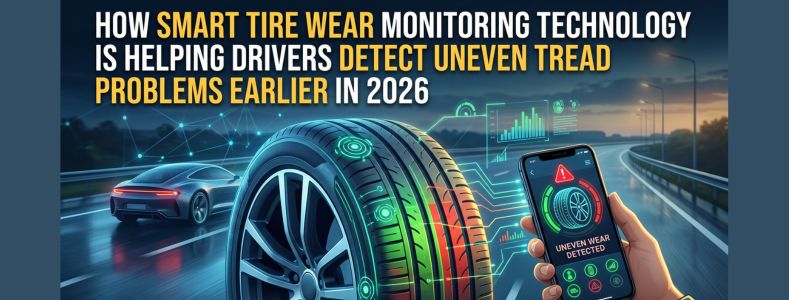
In 2026, smart tire wear monitoring technology is helping drivers identify potential tread problems earlier than traditional visual inspections alone. Advanced sensors, connected vehicle systems, digital diagnostics, and predictive maintenance tools can provide useful information about tire condition and related vehicle issues.
For drivers searching for Tires for Sale, understanding tire wear technology can help them make better replacement decisions. Modern all season tires are also designed to provide balanced everyday performance, but regular monitoring remains important for identifying alignment, inflation, suspension, or driving-related wear problems.
What Is Uneven Tire Wear?
Uneven tire wear occurs when one area of a tire loses tread faster than another. Instead of wearing evenly across the contact surface, the tire may develop excessive wear on specific areas.
Common types of uneven wear include:
- Inner-edge wear
- Outer-edge wear
- Center tread wear
- Cupping or scalloped wear
- Patchy tread wear
Different wear patterns can indicate different underlying problems. For example, incorrect inflation, wheel alignment issues, worn suspension components, or improper tire rotation may contribute to uneven tread wear.
Why Early Detection Matters
Detecting uneven wear early can provide several benefits. It may help drivers:
- Address vehicle problems sooner
- Improve tire lifespan
- Maintain more consistent handling
- Reduce unnecessary replacement costs
- Improve overall driving safety
A tire that becomes severely worn may lose important traction characteristics, particularly on wet roads. Early detection allows drivers to inspect the situation before the problem becomes more serious.
How Smart Tire Monitoring Technology Works
Smart tire monitoring systems can use different technologies depending on the vehicle and equipment. These may include:
- Tire pressure sensors
- Temperature sensors
- Vehicle data analysis
- Connected monitoring systems
- Predictive maintenance software
Some advanced systems can analyze data from multiple vehicle systems to identify patterns that may indicate abnormal tire behavior. For example, changes in tire pressure or temperature may provide useful information about operating conditions.
It is important to note that not every vehicle can directly measure tread depth electronically. Some systems estimate tire condition indirectly, while others require dedicated sensors or inspection technologies.
Digital Technology Helps Identify Patterns
Traditional tire inspection often depends on periodic visual checks. While visual inspections remain important, digital monitoring can provide additional information between inspections.
Connected vehicle technology may identify unusual changes in:
- Wheel behavior
- Tire pressure
- Temperature
- Vehicle stability
- Rotation characteristics
When these changes appear repeatedly, they may indicate that the tires or related vehicle components need professional inspection. This data-driven approach can help drivers investigate potential issues earlier.
Tire Pressure and Uneven Tread Wear
Incorrect tire pressure is one of the factors that can contribute to abnormal tread wear. A tire that is consistently operated at an incorrect pressure may not contact the road as intended.
Depending on the situation, this can contribute to excessive wear in certain areas. Smart tire pressure monitoring systems can alert drivers when pressure falls outside an expected range.
Maintaining the manufacturer’s recommended pressure can help support:
- More even tread wear
- Better handling
- Improved efficiency
- More predictable performance
Drivers should always use the pressure specifications provided for their vehicle rather than relying only on the maximum pressure printed on the tire sidewall.
How Alignment Problems Affect Tires
Wheel alignment has a significant effect on tire wear. If wheels are not properly aligned, tires may contact the road at an unintended angle.
This can cause excessive wear on:
- The inner edge
- The outer edge
- Specific sections of the tread
Smart monitoring systems may help identify unusual vehicle behavior, but a professional inspection is often needed to confirm an alignment problem. If uneven wear is discovered, drivers should avoid simply replacing the tires without checking for the underlying cause. Otherwise, new tires may develop the same wear pattern.
The Benefits of Smart Monitoring for All Season Tires
Modern all season tires are popular because they are designed to provide balanced performance across a range of everyday driving conditions. However, even high-quality all season tires can wear unevenly if the vehicle has mechanical or maintenance problems.
Smart monitoring can help drivers track changes that may affect tire performance over time. Regular monitoring is particularly useful for drivers who:
- Travel long distances
- Drive frequently
- Use their vehicles for commuting
- Carry varying loads
- Drive in changing weather conditions
Combining digital monitoring with regular physical inspections can help improve maintenance decisions.
Cupping and Irregular Wear
Cupping, sometimes described as scalloped tread wear, creates an uneven pattern across the tire. Possible contributing factors can include problems involving:
- Suspension components
- Wheel balance
- Alignment
- Vehicle maintenance
A driver may notice unusual vibration or increased road noise. Smart vehicle systems may detect certain changes in driving behavior, but physical inspection remains important for identifying the exact cause.
Addressing these issues early can help prevent further damage.
How Smart Technology Supports Predictive Maintenance
One of the major advantages of connected vehicle technology is predictive maintenance. Instead of waiting for a visible failure, systems can analyze patterns and alert drivers when conditions appear unusual.
In the future, more advanced systems may combine tire information with:
- Driving history
- Road conditions
- Vehicle load
- Weather data
- Suspension performance
This could help provide more personalized maintenance recommendations. Rather than simply telling drivers that a tire is worn, intelligent systems may eventually help explain why abnormal wear is developing.
Choosing the Right Tires for Sale
When looking for Tires for Sale, drivers should consider more than price. Important factors include:
- Correct tire size
- Load rating
- Speed rating
- Vehicle type
- Climate
- Driving conditions
- Expected usage
The right tire should meet the vehicle manufacturer’s requirements and suit the driver’s normal environment.
For many drivers, all season tires provide a practical balance for everyday use. However, severe winter conditions may require dedicated winter tires for appropriate performance.
Regular Tire Inspections Still Matter
Smart technology is a valuable tool, but it does not completely replace physical inspection. Drivers should regularly check:
- Tread depth
- Visible cracks Bulges
- Uneven wear
- Embedded objects
- Tire pressure
Professional inspections are also important when drivers notice unusual vibration, pulling, handling changes, or repeated pressure loss.
The Future of Tire Wear Monitoring
Tire technology is expected to become increasingly connected and intelligent. Future developments may include:
- Real-time tread condition monitoring
- AI-based wear prediction
- Connected maintenance alerts
- Advanced tire sensors
- Integration with vehicle safety systems
These technologies could help drivers detect problems earlier and make tire maintenance more proactive.
Final Thoughts
Smart tire wear monitoring technology is helping drivers identify potential uneven tread problems earlier in 2026. By combining sensors, connected vehicle data, and intelligent diagnostics, modern systems can provide useful warnings when tire conditions or related vehicle behavior begin to change.
For drivers searching for Tires for Sale, early identification of uneven wear can also help ensure that the underlying cause is addressed before purchasing replacements. High-quality all season tires can provide dependable everyday performance, but they still require correct inflation, proper alignment, and regular maintenance.
The best approach combines smart technology with routine visual inspections and professional maintenance when necessary. As tire monitoring systems continue to evolve, drivers will have more opportunities to identify developing problems early, protect their investment, and maintain safer, more reliable vehicle performance.
Frequently Asked Questions
What causes uneven tire wear?
Uneven tire wear can be caused by incorrect inflation, alignment problems, wheel balance issues, suspension wear, and other vehicle or driving factors.
Can smart technology measure tire tread wear?
Some advanced systems use dedicated sensors or indirect data analysis to monitor tire condition. Capabilities vary depending on the vehicle and technology.
How often should I inspect my tires?
Drivers should inspect tires regularly and before long trips, while following the vehicle and tire manufacturer’s maintenance recommendations.
Are all season tires suitable for everyday driving?
All season tires are designed to provide balanced performance across a range of everyday conditions, but suitability depends on local climate and driving requirements.
What should I consider when looking for Tires for Sale?
When comparing Tires for Sale, consider the correct size, load and speed ratings, vehicle requirements, driving conditions, and intended use.