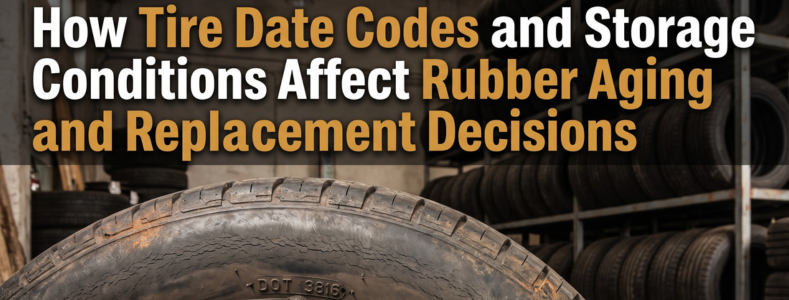
Tires can experience gradual aging even when they have plenty of tread remaining. Exposure to heat, sunlight, moisture, and unsuitable storage conditions can affect rubber flexibility and overall tire performance. Understanding manufacturing date codes and storage history helps drivers make better replacement decisions, especially when comparing Tire Deals and searching for the best tires for car applications.
Understanding Tire Manufacturing Date Codes
Most modern tires include a Department of Transportation (DOT) identification number on the sidewall. The final four digits generally indicate the manufacturing week and year. For example, a code ending in 3525 indicates that the tire was manufactured during the 35th week of 2025. This information helps buyers estimate a tire’s age before purchasing it.
Checking the manufacturing date is particularly important when buying tires online or selecting discounted inventory. A lower price does not automatically mean a better purchase if the tires have been stored for an extended period under unsuitable conditions.
How Storage Conditions Influence Rubber Aging
Tire rubber contains different compounds and protective ingredients designed to maintain flexibility, strength, and resistance to environmental exposure. However, storage conditions can influence how these materials age over time.
Several environmental factors deserve attention:
1. High Temperatures
Prolonged exposure to high temperatures can accelerate chemical aging in rubber compounds. Warehouses without temperature control, storage areas near heating equipment, and enclosed spaces exposed to intense heat may create unfavorable conditions.
Consistent, moderate storage temperatures help preserve tire materials during inventory periods.
2. Direct Sunlight and Ultraviolet Exposure
Ultraviolet radiation can contribute to surface deterioration and cracking in exposed rubber. Tires stored outdoors without protective covering may experience greater environmental exposure than tires kept in suitable indoor facilities.
A shaded, covered storage environment helps reduce unnecessary UV exposure.
3. Moisture and Chemical Contact
Excessive moisture, oils, solvents, fuels, and other chemicals can affect certain tire materials. Storage areas should remain clean and dry, with tires kept away from substances that may damage rubber or other components.
4. Improper Stacking and Handling
Incorrect stacking, excessive loads, and careless handling can cause physical deformation or damage. Tires should be stored according to manufacturer recommendations, with suitable positioning and support.
Why Tire Age Matters Even When Tread Looks Good
Tread depth is an important measurement, but it does not provide a complete picture of tire condition. Rubber compounds can gradually change as a tire ages, potentially affecting flexibility and resistance to cracking.
Drivers should look for warning signs such as:
- Visible cracks along the sidewall or tread grooves.
- Bulges, cuts, or unusual deformation.
- Persistent air-pressure loss.
- Uneven wear or unusual vibration.
- Changes in handling or braking behavior.
These symptoms do not always indicate aging alone. Alignment problems, incorrect inflation, impact damage, and other maintenance issues can produce similar signs. A qualified tire professional should inspect suspicious tires before further use.
How to Evaluate Tire Age When Shopping Online
When comparing Tire Deals, buyers should consider more than the advertised price. Product specifications, manufacturing date, seller reliability, warranty coverage, and storage practices all contribute to a sensible purchase.
Before ordering, consider these checks:
- Ask about manufacturing dates: Request recent date-code information when available, particularly for older or discounted stock.
- Confirm product specifications: Verify tire size, load index, speed rating, and vehicle compatibility.
- Review warranty details: Understand the manufacturer’s coverage and any conditions related to purchase or installation.
- Check seller credibility: Choose suppliers that provide clear product information and transparent return policies.
- Inspect tires after delivery: Examine the sidewalls, tread, and beads for visible damage before installation.
These steps help buyers avoid choosing a tire based only on its discount.
Choosing the Best Tires for Car Performance and Safety
Finding the best tires for car use requires matching the tire to the vehicle, driving environment, and expected performance. Different tire categories offer different advantages:
- All-season tires: Designed for balanced performance across a range of moderate weather conditions.
- Summer tires: Focus on warm-weather grip and handling.
- Winter tires: Use specialized compounds and tread designs for cold conditions and winter roads.
- All-terrain tires: Suitable for vehicles that travel across both paved roads and selected off-road surfaces.
Drivers should also compare wet braking performance, rolling resistance, road noise, durability, and the manufacturer’s recommendations.
A tire with a recent manufacturing date is not automatically the best option. Proper specifications, sound condition, suitable storage, and appropriate performance characteristics matter just as much.
When Should Older Tires Be Replaced?
There is no single manufacturing-age threshold that applies universally to every tire. Replacement recommendations depend on the tire manufacturer’s guidance, vehicle requirements, inspection findings, and applicable regional regulations.
Some manufacturers recommend more frequent professional inspections as tires become older, while certain manufacturers specify a maximum service life regardless of tread depth.
Drivers should consult the vehicle and tire manufacturer recommendations rather than relying on a universal age rule. Any tire showing serious cracking, structural damage, bulges, or other safety concerns should be inspected promptly and replaced when advised by a professional.
Final Thoughts
Tire date codes and storage conditions provide valuable information when evaluating tire age and overall condition. Buyers should check manufacturing dates, understand storage practices, and inspect tires for visible deterioration before making a purchase.
Whether comparing Tire Deals or researching the best tires for car performance, prioritizing correct specifications, reliable suppliers, and professional inspection can help drivers make more informed replacement decisions.
Frequently Asked Questions
How can I identify the manufacturing date of a tire?
Check the final four digits of the DOT identification number on the tire sidewall. These digits represent the manufacturing week and year.
Can tires age while they are not being used?
Yes. Rubber compounds can gradually age during storage, particularly when tires are exposed to excessive heat, sunlight, or unsuitable environmental conditions.
Are discounted tires worth buying?
They can be a good purchase when the tires have suitable specifications, acceptable manufacturing dates, proper storage history, and valid warranty coverage.
Does good tread depth mean a tire is safe?
Not necessarily. Tire condition also depends on age, rubber deterioration, structural integrity, inflation, and visible damage.
What should I check before purchasing new tires?
Verify the tire size, load index, speed rating, manufacturing date, warranty, seller reliability, and compatibility with your vehicle.